
Alcohol by numbers
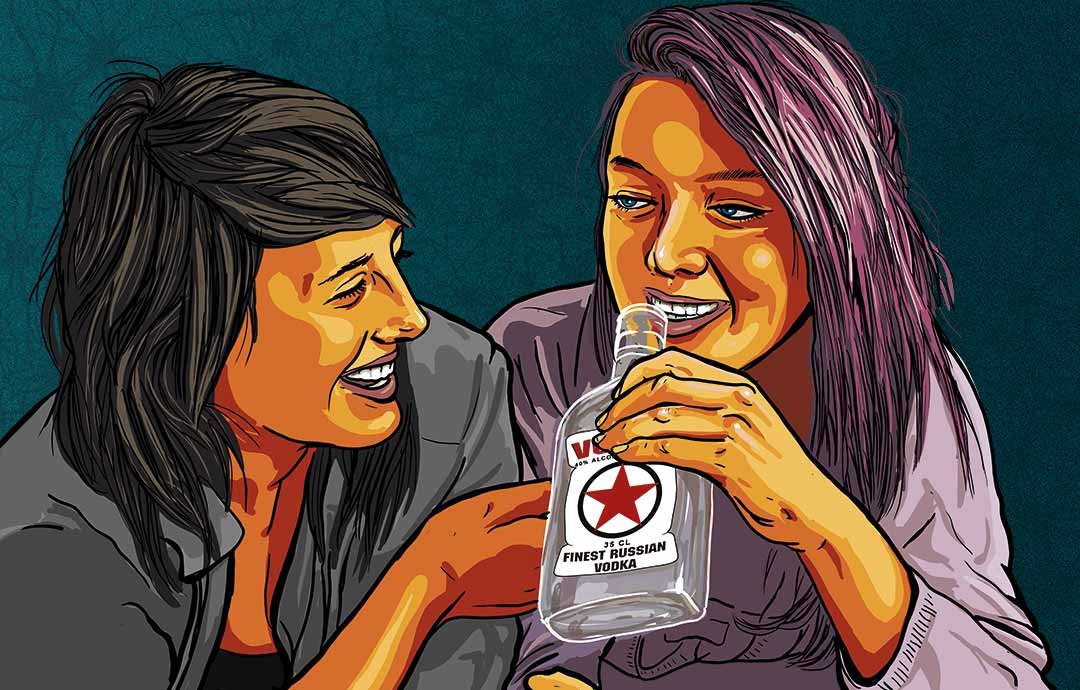
Alcohol is our favourite drug.
Drinking alcohol is normal in our society; it is socially acceptable and available just about everywhere.
Alcohol is our favourite drug. Alcohol is our number 1 drug.
We use alcohol to celebrate and get the party started. It helps us relax and be more socially confident. We also use alcohol to blot out our problems and cope with the world we live in.
You need to be 18 to buy alcohol legally, but it’s legal (but not advisable) to drink it from the age of 5.
Most adults use alcohol occasionally and responsibly.
● Every year, we spend over £24 billion on alcohol.
● Over 8 out of 10 adults drink alcohol.
The number of young people who drink is declining, but:
● 4 out of 10 have drunk alcohol by the age of 15.
● 1 out of 10 drink alcohol regularly at the age of 15.
Alcohol causes accidents and violence.
● Accidents due to alcohol are the leading cause of death among 16 to 24-year-olds.
● There are over a million alcohol related hospital admissions a year, 10,000 involve people under 18.
● There are half a million incidents of alcohol related violence a year and 2 million incidents of domestic abuse, which commonly involve alcohol.
Alcohol use can lead to dependency (addiction).
● Over 600,000 people are dependent on alcohol (addicted)
● Over 100,000 are treated for alcohol problems every year.
● Nearly half a million children and young people live with parents or carers who have alcohol problems.
Alcohol can be a very dangerous drug.
● Alcohol is linked to over 100 illnesses, including liver and heart disease, cancers, mental disorders, and suicide
● Over 22,000 deaths a year are related to alcohol, more than 4 times all the illegal drugs put together.
Alcohol in the body
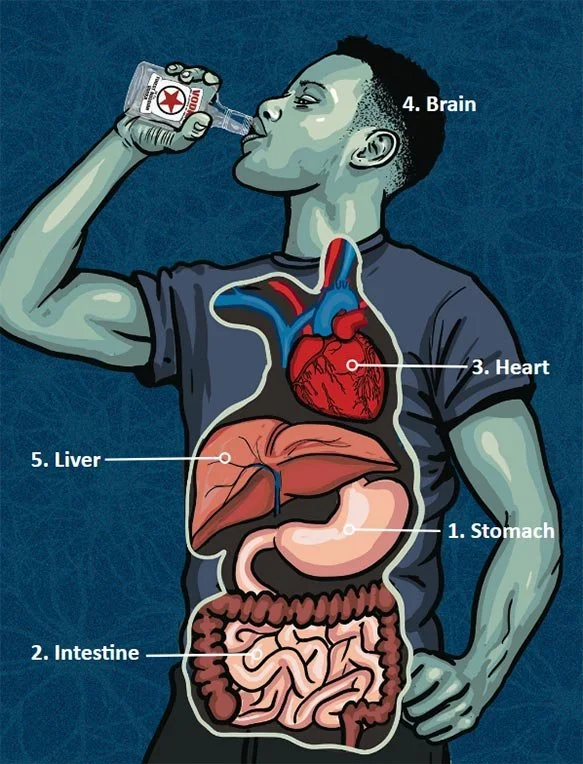
What happens when you drink alcohol?
Alcohol is classed as a depressant drug as it slows down messages between your brain and your body.
● When you drink alcohol, it goes down into your stomach (1) and intestines (2).
● It is then absorbed into your bloodstream and pumped around your body by the heart (3) and up to the brain (4).
● It takes about 20 minutes for alcohol to be fully absorbed and for you to get the full effects.*
● A small amount of alcohol comes out in your sweat and breath, which is why you can smell it on people who’ve been drinking.
● The other 90% is broken down by your liver (5), then comes out in your pee.
*Women have more fat tissue, so alcohol is absorbed faster. Young people have smaller bodies, so they have more alcohol in their blood even if drinking the same amount as an adult. It takes longer for the alcohol to be absorbed into a full stomach.
Alcohol in the brain
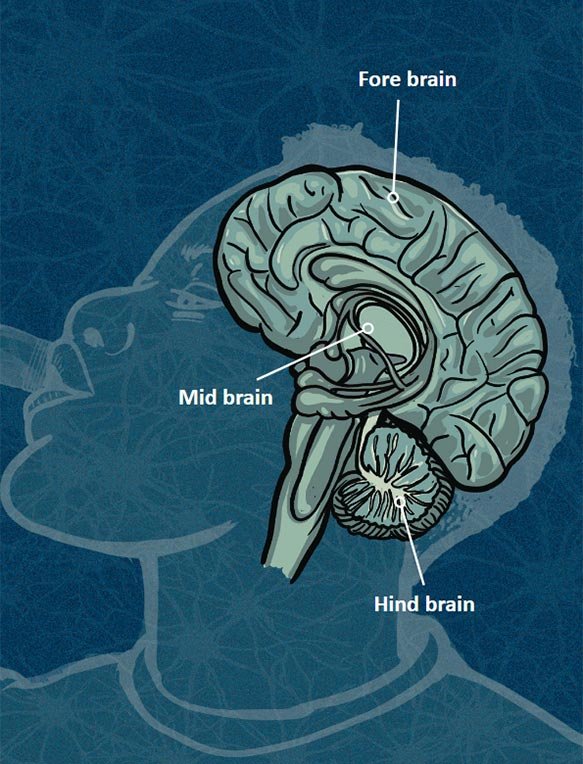
Alcohol affects different parts of your brain
● In the Fore Brain, alcohol reduces inhibitions, control over your behaviour and ability to plan and prioritise.
● In the midbrain, alcohol reduces control of emotions, affects your memory and stops new memories from forming.
● Like most drugs, alcohol increases activity in the brain’s reward system, which makes you feel good.
● In the Hind brain, alcohol reduces your coordination and balance and slows your breathing and heart rate.
Alcohol and young people’s brains
The brain is still developing until you are about 25, so young people’s brains are more vulnerable to alcohol, and learning and memory are considerably more affected.
The changes that occur in the brain during the teenage years make young people who first use alcohol before the age of 15 years about five times more likely to have alcohol problems in later life than those who first use alcohol aged over 21 years.
How strong is your drink?
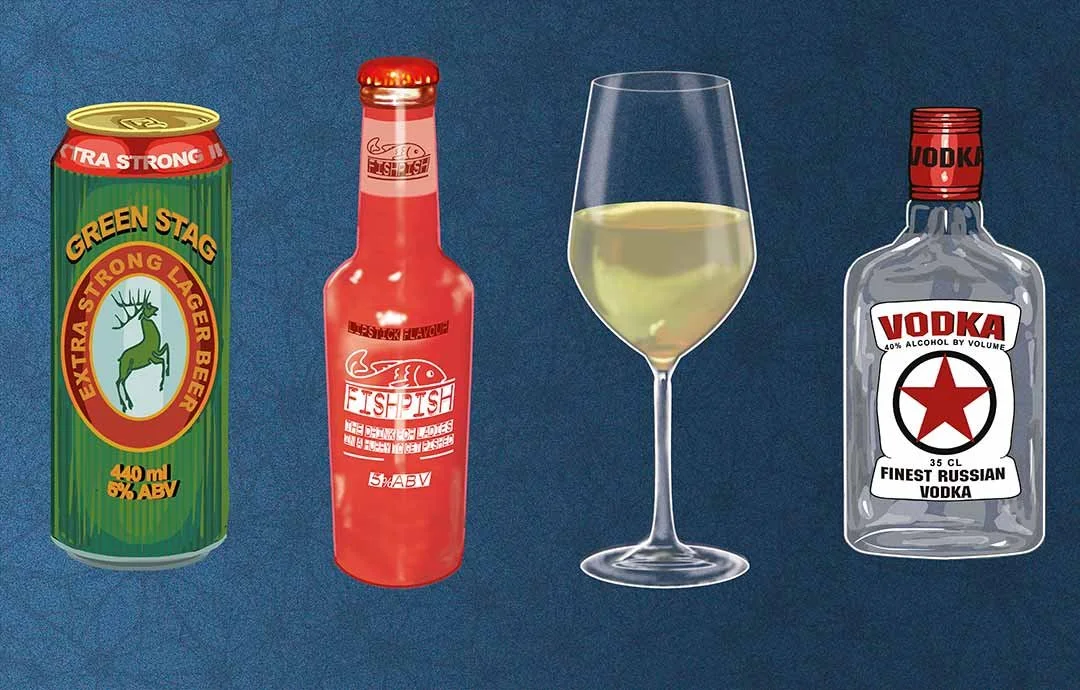
Alcoholic drinks mainly contain water and an amount of pure alcohol. The amount of pure alcohol varies between different alcoholic drinks. The strength of an alcoholic drink is printed on the label as both ABV (Alcohol By Volume) and Units of alcohol.
Alcohol By Volume (ABV)
● Alcohol By Volume (ABV) is the amount of pure alcohol in the liquid. If an alcoholic drink was 5% ABV, that means 5% of the liquid is pure alcohol.
A Unit of alcohol
● One unit of alcohol is about 10ml of pure alcohol.
● It takes about an hour for one unit to go through your body, be broken down by your liver and come out in your pee.
● If you drink more than one unit of alcohol in an hour, your liver can’t break it down fast enough, so it stays in your bloodstream and has a greater effect.
The strength of common drinks
● A 440ml can of 5% ABV beer is 2.2 Units.
● A 750ml bottle of 12% ABV Wine is 9 to 10 units.
● Distilled alcoholic drinks, like vodka and brandy, are known as spirits and are up to 40% ABV.
● A small (35 cl/350ml) bottle of 40 % ABV vodka is about 14 units of alcohol.
How much is it safe to drink?
● There is no completely safe dose, but adults are advised to drink no more than 14 units of alcohol per week to keep health risks low.
● Doctors advise pregnant women not to drink as alcohol can harm the developing baby (Known as Fetal Alcohol Spectrum Disorder).
● Doctors also advise under-15-year-olds not to drink at all and between the ages of 15 and 18 to only drink small amounts, no more than once a week.
● However, some young people use the Units and ABV to find the strongest drinks, to get them drunk as cheaply as possible.
The six stages of drunkenness
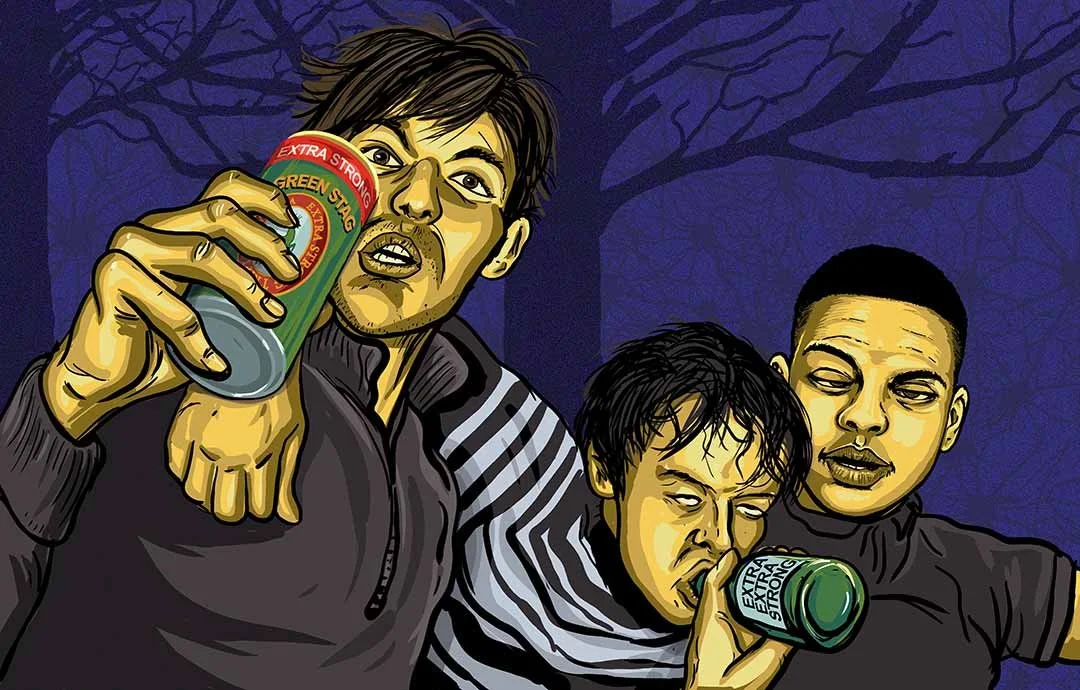
1. Sober to merry
● Most people appear normal after drinking a small amount of alcohol.
● Alcohol is a very social drug, so if you are drinking with friends, you feel bright, alert, chatty and more relaxed.
● Even a small amount will blunt your reflexes and affect your coordination.
2. Merry to a bit tipsy
● Drink a bit more, and you start to look flushed and sweaty.
● You probably won’t notice or care how you look, as you feel fabulous, daring and confident.
3. Tipsy to sozzled
● Alcohol lowers your inhibitions, affects your judgment and sense of right and wrong.
● You do and say things you wouldn’t when sober, may get overly emotional or affectionate, loud or aggressive.
● Acting daft when drunk can be fun, but you are more likely to argue, get in fights, take risks and have accidents.
● You are more likely to be exploited, robbed or sexually assaulted.
4. Sozzled to completely drunk
● Drink more, and you may start to feel sleepy. Thoughts become confused, memory jumbled.
● Your vision becomes blurry, and your speech slurs. You feel dizzy, stagger or fall over when you try to walk.
● Getting the Spins and vomiting are common.
5. The drunken stupor (AKA completely arseholed)
● You can become so drunk that you can barely move. You can’t stand or walk and fall in and out of consciousness. You are totally vulnerable.
● You may lose control of your bladder (pee yourself).
● You may ‘blackout’ and not remember anything.
● Drink too much, and you can overdose, end up in hospital or even die, particularly if you have used other drugs as well.
6. The Hangover
● You will wake up exhausted and dehydrated with a banging headache.
● You may have diarrhoea, vomit, feel anxious, weak, ill and sorry for yourself, particularly when you remember some of the things you said and did the night before.
Looking after your friends
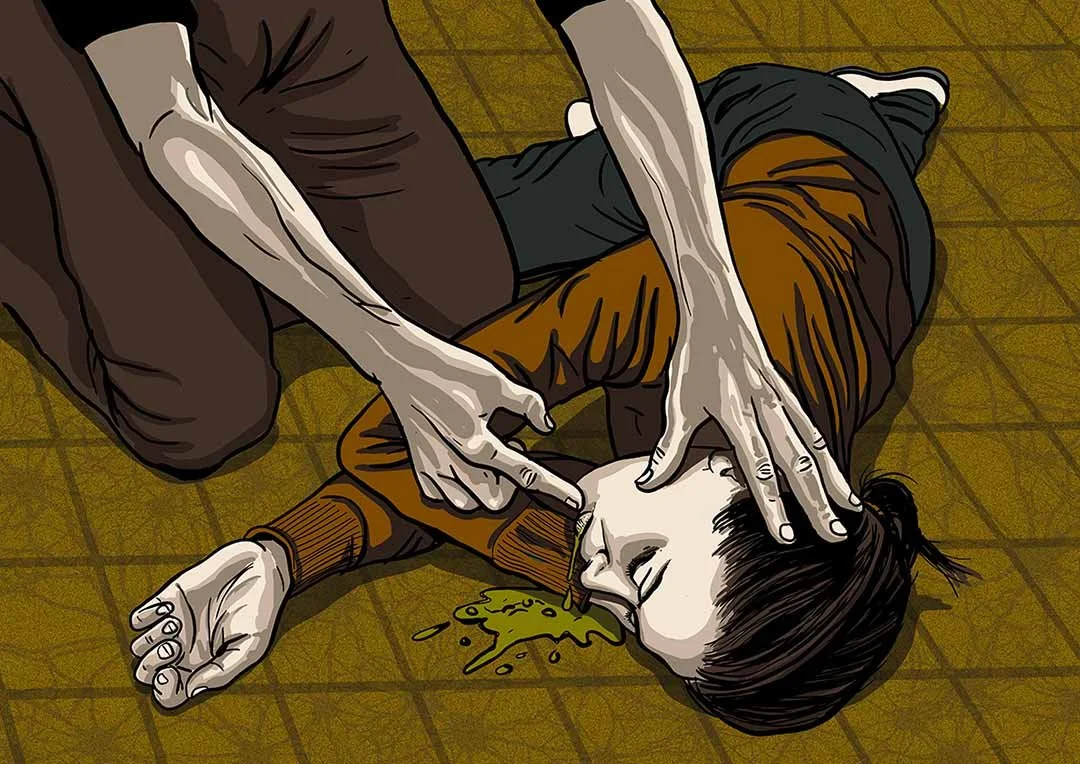
If you are drinking with a group of friends and someone gets really, really drunk, look after them in the same way you would want them to look after you.
● If friends are really drunk, discourage them from drinking more, take them home or steer them away from trouble.
● Don’t abandon them if they are drunk and want to go off with strangers.
● If you can’t stop them or go with them, make sure you know where they’re going: set up share your location; ring them and make sure they are alright.
● If they are so drunk they can barely walk, they cannot legally consent to any sexual activity.
● Never let them get into a car with a drunk driver or drive drunk themselves.
● If somebody is being sick, give them a bit of space. Try not to laugh or take pictures to post on social media. It might be you next week.
● Let them sip water but no more alcohol.
● Don’t force them to drink coffee or salt water; it will only make things worse.
● Make sure they don’t fall asleep on their backs, as they could choke on their own vomit and die. Lay them on their side (the recovery position)
● If you can’t wake them no matter what you do, put them into the recovery position and ring for an ambulance.
Remember:
● Mixing alcohol with other drugs increases your chances of being sick and the risk of overdose.
● Stimulant drugs like cocaine keep you awake, so you can end up drinking much more.
● When inside your body, alcohol and cocaine produce a more dangerous (toxic) substance (called coca-ethylene).
● Smoking while drunk is a major cause of fires.
● There are a number of different laws concerning public drunkenness. In practice, it’s how you behave when drunk that will lead to a night in a police cell.
Mental health and dependency
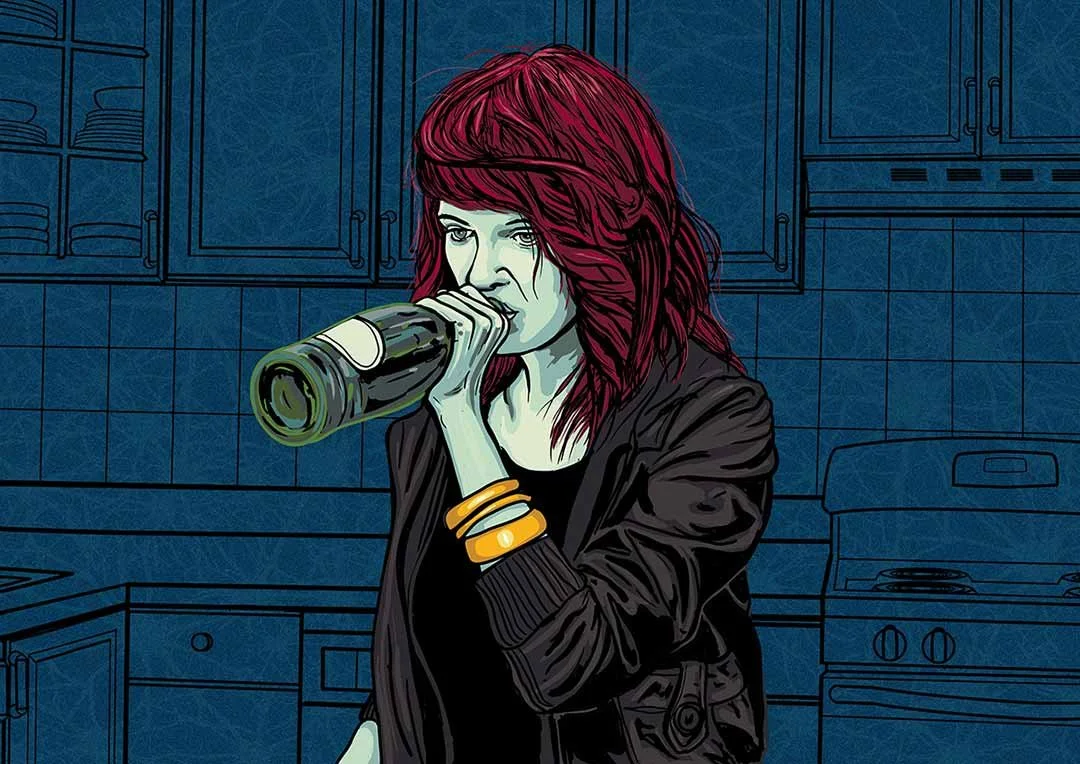
Drowning your sorrows
● Although people often try to ‘drown their sorrows’, alcohol won’t make you feel happy if you feel sad.
● Young people sometimes try to cope with problems such as exam stress, not fitting in with peers or conflict at home by blotting it all out with alcohol.
● Young people who have experienced childhood trauma are more likely to say they are using alcohol to ‘self-medicate’ to cope with emotional pain and stress.
● Alcohol might numb your brain and jumble your thoughts while you're drunk, but you’ll wake up with a hangover the next morning, and the problems will still be there.
● People who are anxious or depressed are more likely to drink heavily, but long-term heavy drinking actually increases anxiety and can cause depression.
Regular heavy drinking
● Your brain gets used to alcohol the more often you drink (known as tolerance), so you may start to drink more to try to get the same effects.
● As a rule of thumb, the more you drink, the more often, the more likely you are to have problems with alcohol.
● Regular heavy drinking can cause sleeping problems, appetite changes and mood swings, which can make problems at school or home worse.
● There is also a significant increase in the risk of suicide.
Alcohol dependency and withdrawal
● Heavy regular drinkers can become physically dependent on alcohol. If they stop drinking, they sweat, shake, feel sick and may even hallucinate (known as withdrawal).
● For some people who are dependent on alcohol, stopping suddenly is really dangerous. They may need medical help to stop drinking.
Getting help
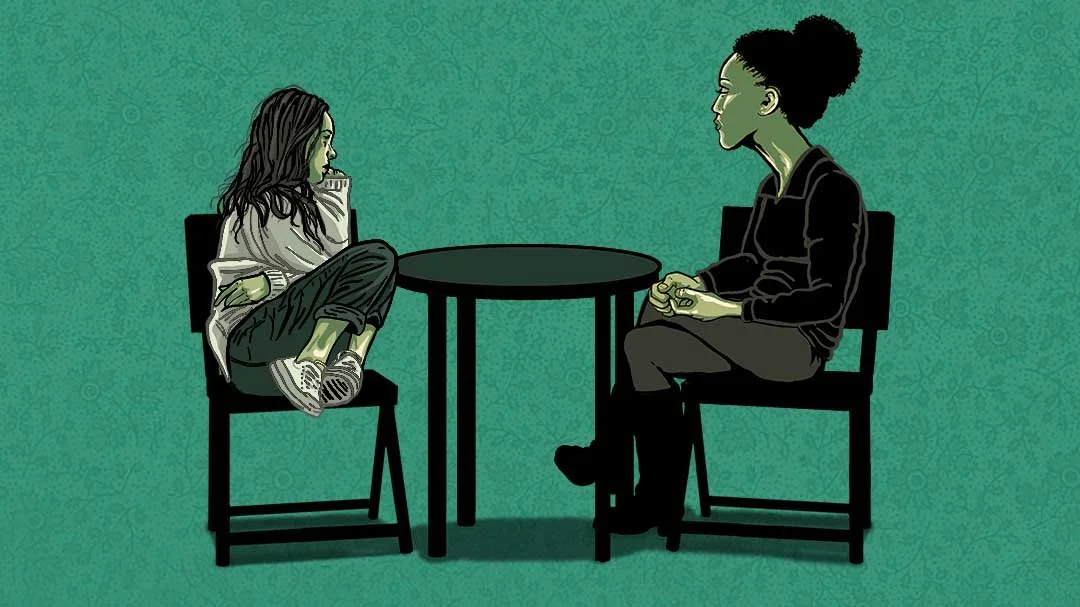
Alcohol problems
● Alcohol can affect school or work, cause difficulties with relationships and have a negative impact on emotional health and well-being.
● Alcohol affects your judgment and tends to encourage risk-taking behaviour, like having unprotected sex or getting involved in some dodgy situations with some equally dodgy people.
● Lack of cash to pay for alcohol can lead to debts and can draw you into crime and risk you being exploited.
● Alcohol and/or other drugs may not be the cause of your problems; you may be using them to try to cope, but alcohol often makes things worse.
● It is often the case that a whole series of things have built up or gone wrong in someone’s life by the time they get help.
● It is important to remember that even if you are in a situation that you can’t see a way out of, there is always help available to you.
Help for you and your family from Early Break
● At Early Break, each young person sets their own goals and targets. The role of the individual worker is to support you in achieving these goals.
● Living with alcohol problems in the family can be extremely stressful and traumatic.
● Young people living with family members who have alcohol problems are more likely to develop alcohol problems themselves.
● At Early Break, we can provide support to the whole family. We work with each family member separately and also as a family unit.
● We allow the whole family to talk about any problems caused by drugs and alcohol, and allow the children and young people’s voices to be heard by the family.
● The aim is to empower families to make positive decisions on the changes they would like to make to improve family life.